

Performance Testing & Strength Profiling
Objective data. Smarter training.
Performance Testing at Quay Kinetics Physio gives climbers and athletes clear, objective data on strength, asymmetry and climbing-specific performance. Using validated tools including the Tindeq Progressor, grip dynamometry and evidence-based movement tests, we help you understand where your body is strong, where it’s compensating, and what you need to train next.
Led by Performance Testing Specialist Will Ashby (MSc), sessions combine sports science, climbing research and practical coaching. You'll leave with meaningful insights — not generic advice — and a tailored plan to improve with confidence.
Why performance testing matters.
Most climbers and athletes train by feel — but the strongest performers also train with data.
Objective testing helps you:
Identify weak links before they become injuries
Understand the true capacity of your fingers, shoulders and lower limbs
Train the qualities that matter (Peak Force, RFD, endurance)
Compare left vs right strength to uncover hidden asymmetries
Track progress with repeat testing
Make smarter training decisions
We test the same metrics used in climbing research and elite performance environments:
Peak Force, Rate of Force Development (RFD), Critical Force (CF), ASH, and validated movement profiles.
Who is this service for?
Anyone Who Likes Data
If you want to understand your body or have ever wondered “what should I actually train?” - this service is ideal for you.
Active Individuals & Athletes
Strength profiling
Asymmetry identification
Return-to-sport baselines
Targeted training recommendations
Runners, gym-goers, recreational athletes
Climbers
Improve finger strength & power
Identify limiting factors
Learn what to train next
Support return from injury
Reduce finger, elbow & shoulder risk
Suitable for all levels — V0 to elite
Performance Testing can enhance your enjoyment of your sport and reduce your pain & injury risk.
What we test
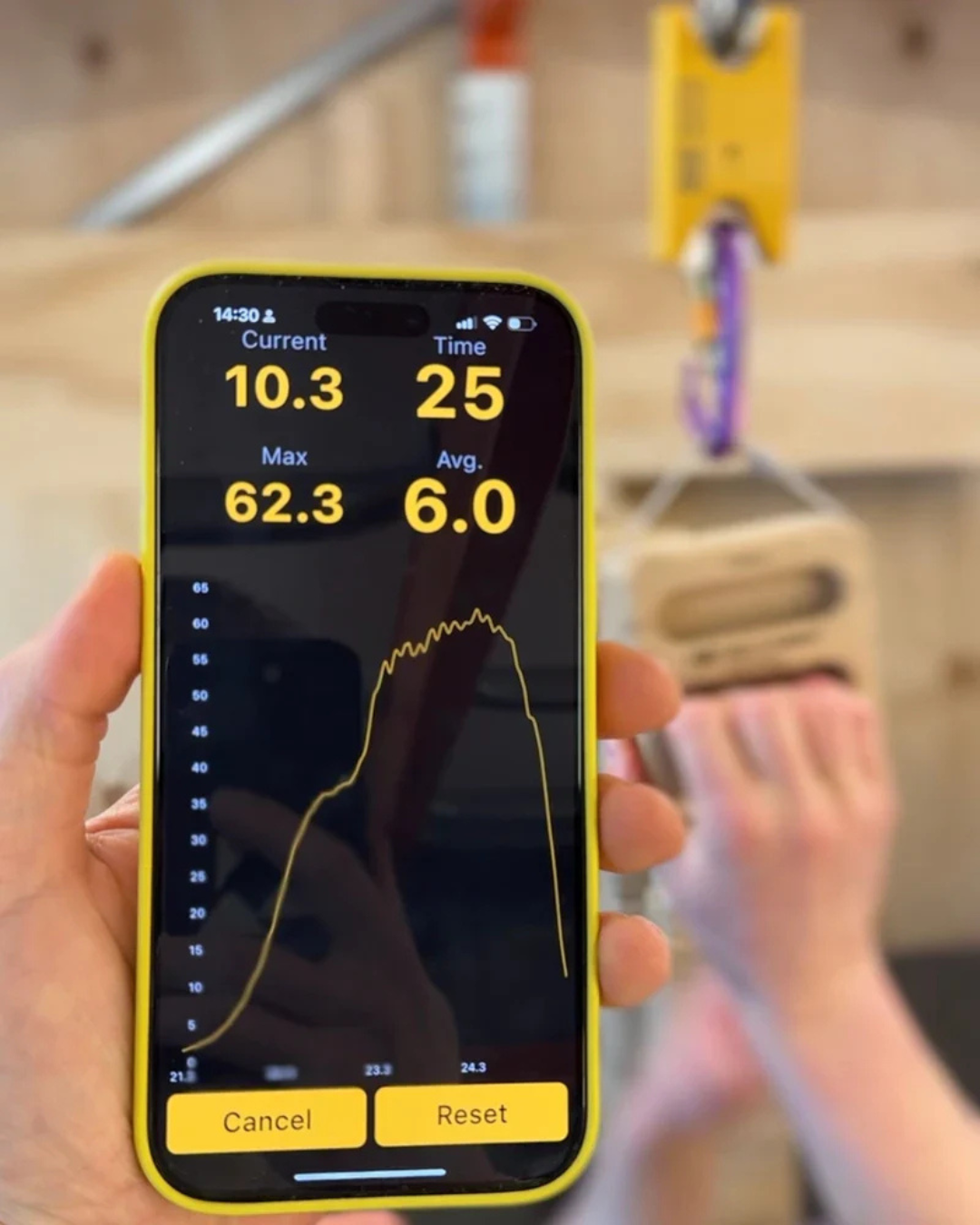
Climbing-Specific Finger Strength (Tindeq Progressor)
Peak Force: Maximum finger strength
RFD: How quickly you can generate force — crucial for sticking dynamic moves
Critical Force: Your sustainable strength/endurance (W’)
These metrics correlate strongly with climbing performance in research.
Grip strength.
Pull up strength (optional).
Shoulder Strength & Control
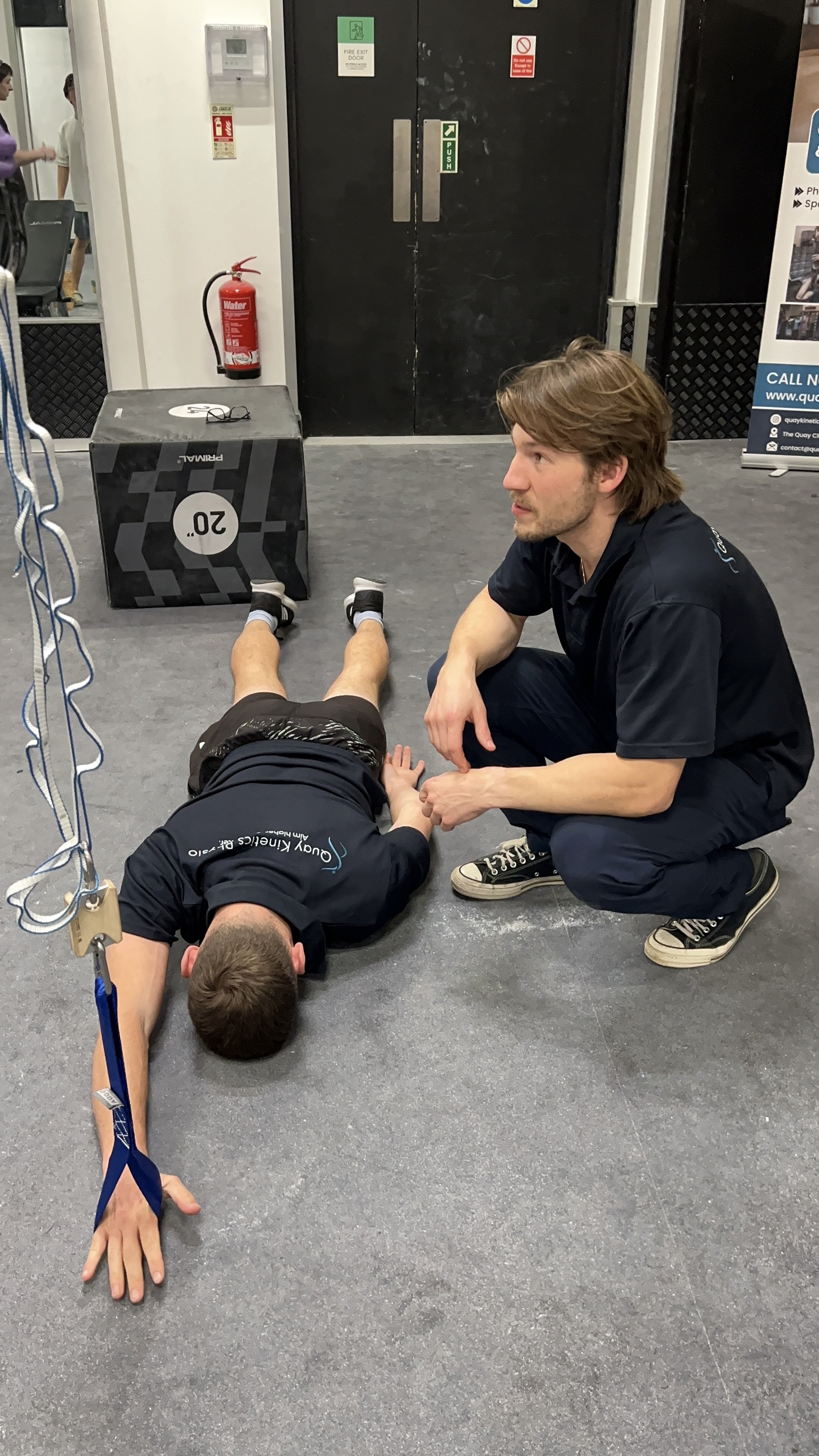
ASH test: Climbing-specific horizontal shoulder strength
Shoulder internal/external rotation range
Identifies over-reliance on finger strength due to poor shoulder capacity
Lower Limb & Movement
Climbing performance relies on far more than fingers:
Y-Balance
Knee-to-wall
Single-leg hop
Countermovement jump
Calf endurance
These reveal imbalances affecting high steps, dynamic movement, stability and landing control.
Which package should I choose?
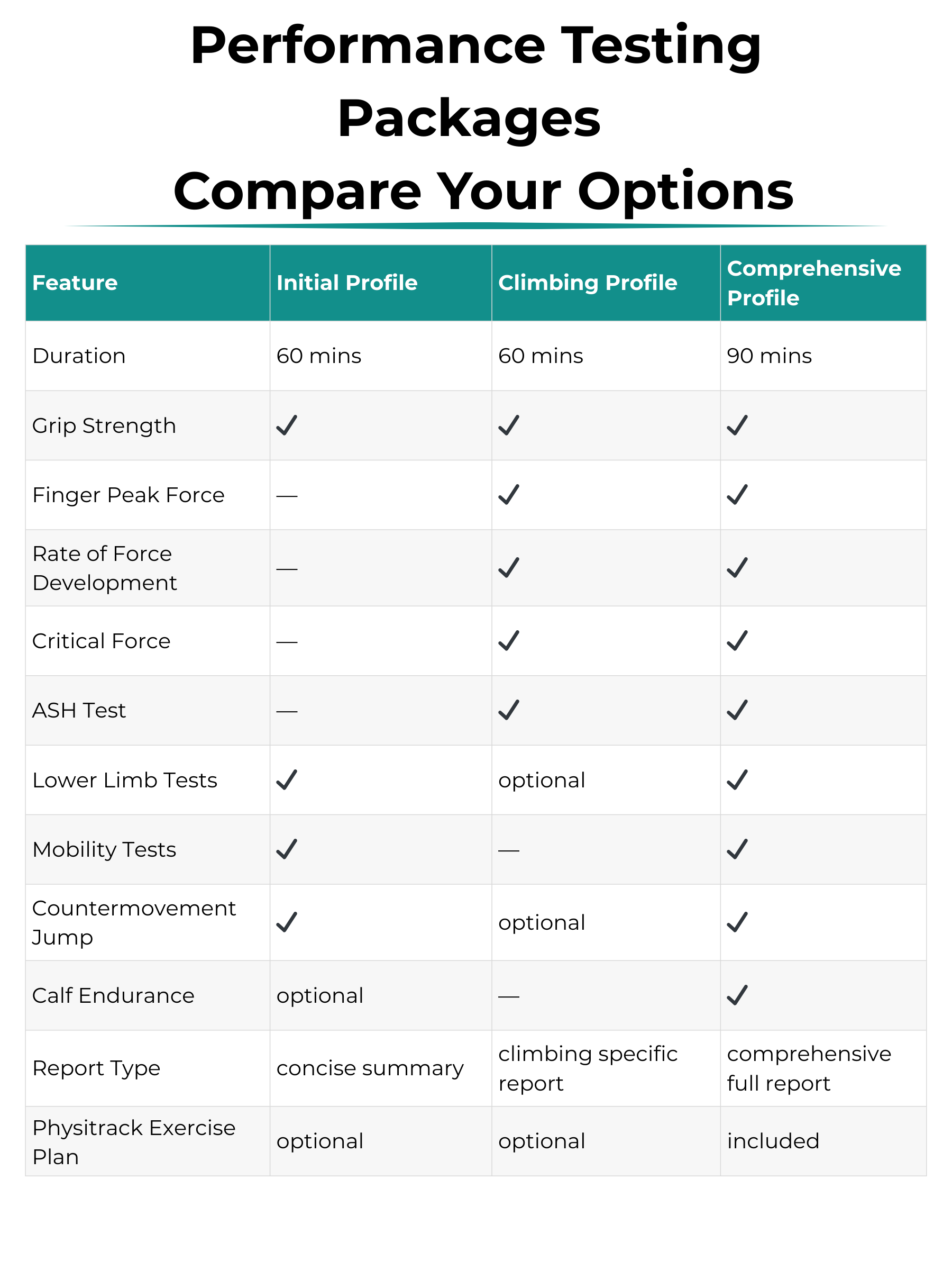
Choose the Initial Strength & Performace Profile if…
You want a general performance baseline, are returning from injury, or want a whole-body MOT.
Choose the Climbing Performance Profile if…
You want finger strength numbers, climbing-specific data (Peak Force, RFD, Critical Force), and a plan to climb harder.
Choose the Comprehensive Performace Package if…
You want everything: your sport specific metrics + full-body asymmetry, mobility and power testing.
-
A whole-body assessment ideal for climbers, runners, gym-goers, or anyone wanting a baseline measure of strength, control, and movement quality.
Includes:
Grip strength
Shoulder range of motion tests
Lower limb asymmetry tests
Y-Balance
Hop testing
CMJ
Summary report
Optional Physitrack plan
What you’ll learn:
Your key strength asymmetries, movement limitations, and the top 2–3 priorities to improve performance or reduce injury risk. -
A climbing-specific assessment focusing on finger force, rate of force development, shoulder strength, and grip metrics.
Includes:
Grip Strength
Tindeq Peak Force
Rate of Force Development (RFD)
Critical Force (climbing endurance)
ASH test for shoulder strength
Optional lower limb tests
Climbing-specific report
Optional fingerboard Physitrack plan
What you’ll learn:
How your finger strength compares to climbing benchmarks, where your climbing-specific weaknesses lie, and exactly what to train next. -
The most complete profiling option, combining both general and climbing-specific testing.
Includes everything in the first two packages, plus:
Additional ROM & strength testing
Full asymmetry breakdown
4–6 week training strategy
Full Physitrack programme
Complete PDF report
What you’ll learn:
A complete picture of your body’s strengths, weaknesses, asymmetries, and performance capacity — plus a full plan to improve them. -
Track progress. Stay accountable. Train smarter.
A 45-minute retest session repeating your key measures from your initial assessment. Essential for tracking improvement, refining your training strategy, and checking your progress.
Recommended every 8–12 weeks.
Includes a short written comparison summary.
What you receive
You’ll receive:
✔ Clear, easy-to-understand explanation of your results
✔ Comparison to climbing or athletic benchmarks
✔ Identification of your biggest performance opportunities
✔ Prioritised training recommendations
✔ Optional personalised Physitrack Exercise training plan
✔ Report within 24 hours
Location
All performance testing takes place at:
Boulder Exe – Quay Kinetics Physio Treatment Room
Paid parking on site. Full access to gym, fingerboards, and testing equipment.
-
We recommend warming up beforehand to maximise the time available for testing but a structured warm-up is included at the start of your session.
-
Yes, though if your injury requires diagnosis or clinical assessment, we may recommend physiotherapy first.
-
Gym or climbing clothing you can move in comfortably.
-
No. Testing is fully adaptable.
-
Within 24 hours, delivered via email.
-
Only if you’re choosing the climbing-specific package. The Initial and Comprehensive Profiles are suitable for all active individuals.
-
Yes — many people retest every 8–12 weeks for accountability and measurable improvement.

Frequently Asked Questions
-
Performance testing is a structured assessment of your physical capabilities using validated measurement tools. At Quay Kinetics, our Performance Testing Specialist Will Ashby uses equipment including the Tindeq Progressor (finger strength dynamometry), grip strength dynamometers, and movement screening protocols to measure specific aspects of your strength, power, endurance, and movement quality. The results give you objective data about where you are now, what your strengths and weaknesses are, and what to focus on in your training.
-
It's for anyone who wants objective data about their physical performance, not just elite athletes. We work with competitive climbers looking to benchmark their finger strength, recreational climbers who want to understand their weaknesses, runners tracking strength and mobility, and general fitness enthusiasts who want a clear picture of where they stand. It's also valuable for injury rehabilitation, where we use repeated testing to track objective recovery and confirm readiness to return to full activity.
-
You'll grip the Tindeq Progressor device in a half-crimp position on a 20mm edge and apply maximum force for a series of short pulls. We measure peak force (your maximum single-pull strength), critical force (the sustainable force you can maintain over repeated efforts), and asymmetry between your left and right hands. The whole test takes about 15 to 20 minutes including warm-up. You'll leave with a clear report of your numbers, how they compare to climbers at your grade, and specific recommendations for training.
-
For most people, every 8 to 12 weeks is a good frequency. This gives enough time for training adaptations to show up in the data while keeping you accountable to your programme. If you're in a focused training block leading up to a competition or project, testing at the start and end of the block gives you clear before-and-after data. For injury rehabilitation, we may test more frequently to track recovery milestones and guide return-to-activity decisions.
-
No, they're complementary but different. A physiotherapy assessment focuses on diagnosing a problem, identifying the cause of pain or dysfunction, and creating a treatment plan. Performance testing focuses on measuring your physical capabilities and identifying areas for improvement in your training. That said, there's overlap: if performance testing reveals a significant strength asymmetry or movement limitation, that information feeds directly into your physio treatment. And if you're recovering from an injury, we can incorporate Tindeq or strength testing into your physio sessions to track objective progress.
-
No. While our Tindeq finger strength testing is climbing-specific, we offer broader performance testing for runners, gym-goers, and anyone interested in understanding their strength, movement quality, and physical capacity. Grip strength testing, for example, is one of the most reliable general health markers and is relevant to everyone regardless of sport. If you're unsure whether performance testing would be useful for you, get in touch and we'll advise based on your goals.